
Introduction to the x22report archives
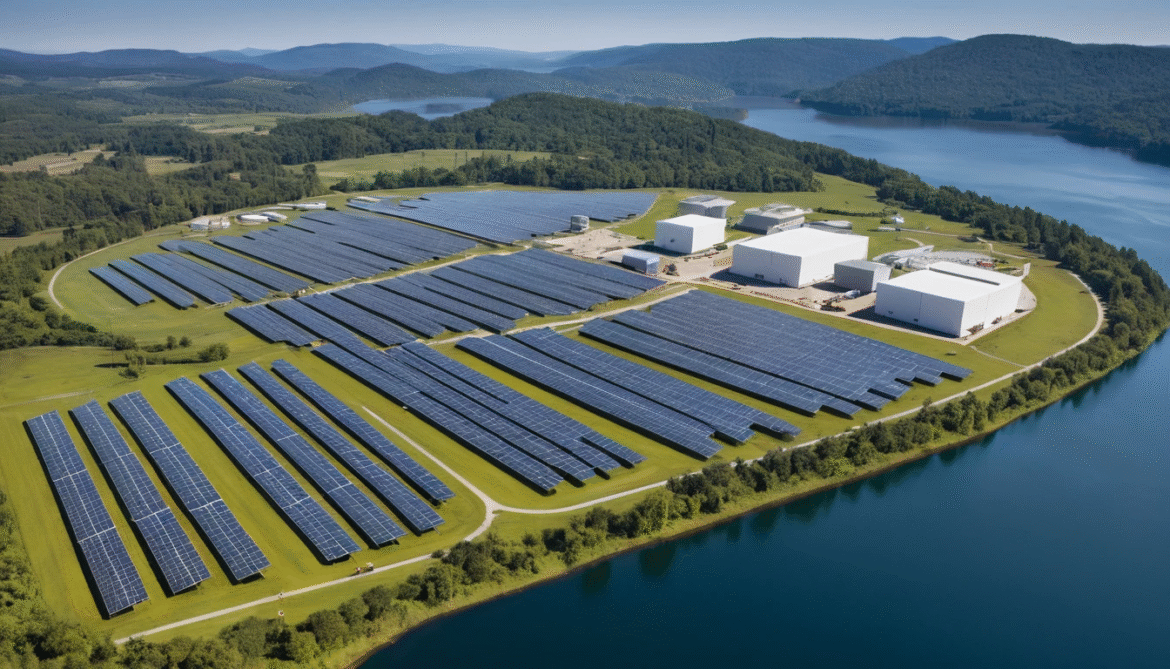
The x22report archives serve as a rich repository of analysis, data, and expert commentary on sustainability topics, particularly capturing global energy transitions. Within these archives, policymakers, researchers, industry leaders, and informed readers find detailed reports tracking innovations across renewable technologies, evolving climate policy, and investment flows. Exploring the archives reveals not only retrospective trends but also forward‑looking insights relevant to forecasting to 2030 and beyond. This context makes the archives invaluable for anyone exploring the Future of Renewable Energy. Early access to x22report findings helps stakeholders anticipate technological breakout areas, policy shifts, and economic impacts that shape the clean energy revolution.
Why the Future of Renewable Energy matters
Climate urgency and global demand
The planet faces mounting climate risks: extreme weather, rising sea levels, and biodiversity loss. Transitioning to renewable energy sources—solar power, wind, hydro, and bioenergy—is central to curbing greenhouse gas emissions. International bodies like the IEA (International Energy Agency) and the UN highlight that to meet the Paris Agreement goals, the share of clean energy must grow dramatically. The x22report archives provide trend lines that reinforce how rapidly demand is shifting—renewable deployment is accelerating across all continents. For developing and developed nations alike, clean energy represents both ecological necessity and social responsibility.
Economic opportunities in clean energy
Beyond climate, the Future of Renewable Energy represents a massive economic opportunity. Investment in renewables has overtaken fossil fuel sectors in many markets. The archives show case studies where countries have created millions of jobs in solar panel manufacturing, wind turbine installation, and bioenergy production. They also highlight new value streams in green technology services, exportable intellectual property, and innovation ecosystems. The economic narrative is powerful: clean energy delivers sustainable growth, energy security, and competitiveness on a global scale.
Global Innovations in Renewable Technology
Advances in solar power technologies
Solar energy has surged forward: perovskite solar cells are edging closer to commercial viability, offering higher efficiency at lower cost. Multi‑junction cells and bifacial modules now deliver up to 30–35 % conversion rates in sunny environments. The archives document utility‑scale solar farms that integrate energy storage using lithium ion and next‑gen solid‑state batteries, smoothing out intermittency. Floating solar installations on reservoirs and co‑located agrivoltaics show emerging models that maximize land use efficiency. Combined with data analytics and smart inverters, solar power continues pushing the frontiers of performance and affordability.
Cutting‑edge wind energy systems
Wind turbines are scaling up: offshore giants now exceed 14 MW per turbine with taller towers and larger rotors, boosting capacity. Innovations include floating offshore platforms suited for deepwater deployment and vertical-axis turbines optimized for urban areas. Advanced materials like carbon‑fiber blades reduce weight and boost durability. Digital twins and AI algorithms enable predictive maintenance and performance optimization. The archives capture wind farms that generate clean energy at record‐low costs, and regional projects tapping wind regimes from the North Sea to coastal Asia demonstrate replicable models.
Hydro innovations
Hydropower remains a cornerstone of clean baseload generation, and innovation continues. The archives highlight micro‑hydro systems for rural electrification and modular pumped‑storage hydropower that supports frequency regulation. Fish‑friendly turbines and sediment management systems minimize ecological disruption. New retrofits on existing dams upgrade output without new construction. These sustainable hydro solutions illustrate how hydro can support grid stability while advancing environmental stewardship.
Bioenergy breakthroughs
Bioenergy is evolving beyond traditional biomass to include advanced biofuels, biogas, and waste‑to‑energy systems. Cellulosic ethanol, algae‑based biofuels, and anaerobic digesters convert agricultural residues and urban waste into energy. Innovations in microbial engineering and waste preprocessing optimize yield and reduce emissions. Integrated bioenergy with carbon capture and storage (BECCS) provides negative emissions potential. The archives showcase pilot facilities and full‑scale plants that exemplify high efficiency and low carbon footprint—key trends shaping the Future of Renewable Energy.
Government Policies Driving Change
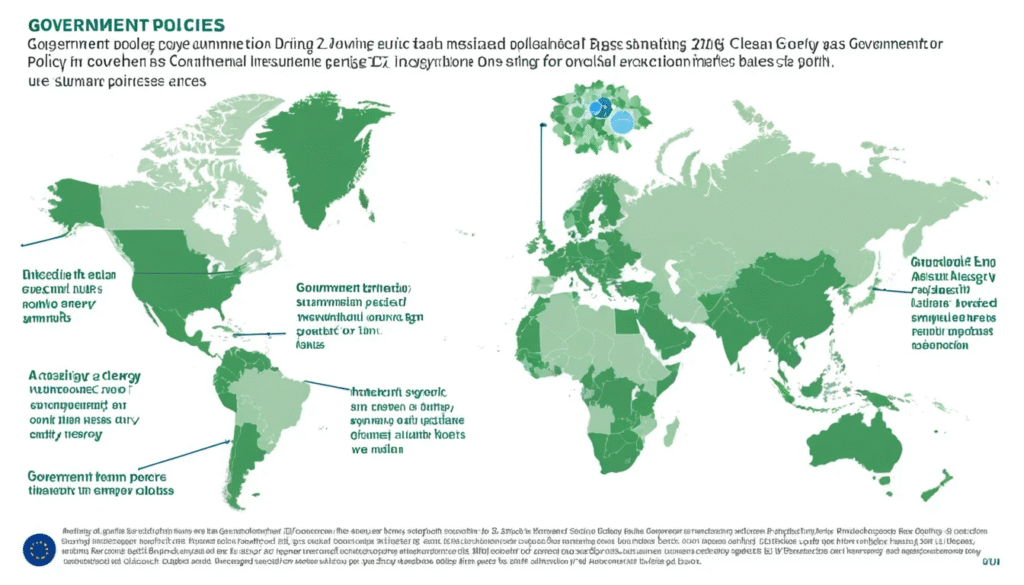
Government frameworks are critical in scaling renewable energy adoption. The archives include analysis of incentive programs, mandates, carbon pricing, and funding schemes that have proven effective across major regions.
United States clean energy policies
Federal laws like the Inflation Reduction Act, tax credits (Investment Tax Credit, Production Tax Credit), and infrastructure investment targeting clean energy have accelerated deployment. The archives analyze how these incentives stimulate private renewables investment, drive domestic manufacturing, and support grid modernization. State-level Renewable Portfolio Standards (RPS) further mandate escalating shares of renewable electricity—a central driver in the Future of Renewable Energy landscape.
EU climate policy and renewables investment
The European Union’s Green Deal and Fit for 55 framework set binding targets: at least 55 % emissions reduction by 2030 and net‑zero by 2050. Member states mobilize green finance, auctions, and innovation schemes supporting solar and offshore wind growth. The archives contain board‑level insight into European Investment Bank funding and nation‑level programs in Germany, Spain, and the Nordics, illustrating cohesive regulatory models that emerge as global benchmarks.
Australia’s renewable energy roadmap
Australia has invested heavily in solar and wind, now exporting green hydrogen and powering regional grids. The archives report on the coordinated policy approach—renewable auctions, grid planning support, and research partnerships—that positions Australia as a clean energy exporter by 2030.
Asia’s growing climate policy frameworks
China, India, Japan, and Southeast Asian nations are ramping up their policy frameworks. The archives track India’s ambitious solar capacity goals, China’s leadership in manufacturing and offshore wind deployment, and Japan’s push toward hydrogen and bioenergy. The region represents transformative potential within the Future of Renewable Energy narrative.
Economic Impacts of Renewable Energy Expansion
Job creation and investment trends
Renewable energy is not just a climate solution—it’s an economic powerhouse. According to the International Renewable Energy Agency (IRENA), over 13 million people were employed in the renewable sector globally by 2023, a number projected to reach 38 million by 2030. The x22report archives reveal consistent data showing how clean energy job creation outpaces fossil fuel sectors. From manufacturing solar panels and wind turbine components to installing systems and managing power grids, employment opportunities span a wide range of skill levels and geographies.
Investments in renewables are also breaking records. In 2024 alone, global investment in clean energy surpassed $1.7 trillion, with the majority flowing into solar, wind, and energy storage. Governments and private investors alike recognize the long-term value of sustainable infrastructure. The archives provide detailed analysis of regional investment flows, venture capital trends in green tech, and multinational corporate transitions to 100% renewables.
Moreover, as energy independence becomes a priority, especially after geopolitical disruptions in fossil fuel supply chains, renewables are emerging as a strategic asset. Countries that commit early are poised to dominate the new energy economy, generating sustained economic gains.
Cost-competitiveness and levelised cost of energy (LCOE)
Cost is a crucial driver in the transition to renewables. Historically, fossil fuels were seen as more affordable, but the tide has turned. The x22report archives track the dramatic fall in LCOE for renewables. For example, the cost of utility-scale solar dropped over 85% in the past decade, while onshore wind fell by more than 60%. As of 2025, solar and wind are the cheapest sources of new electricity in more than two-thirds of the world.
The archives include LCOE comparisons, grid parity thresholds, and price projections through 2030. These figures show a clear path: renewables are not only environmentally responsible—they are economically smart. In many regions, building new solar or wind capacity is now cheaper than operating existing coal or gas plants. This financial reality is shifting market preferences rapidly.
Environmental Benefits
Greenhouse gas reductions
One of the most vital advantages of renewable energy is its ability to drastically cut greenhouse gas emissions. Traditional fossil fuels—coal, oil, and natural gas—are the leading contributors to carbon dioxide (CO₂) emissions. According to the IEA, energy-related CO₂ emissions reached over 33 billion tonnes in 2023. Transitioning to renewables is essential for reversing this trend.
The x22report archives detail emission reductions linked to renewable adoption in multiple nations. For example, Denmark cut its carbon emissions by over 50% compared to 1990 levels by leaning heavily on wind energy. Costa Rica, powered largely by hydro and geothermal, has run nearly 100% on renewable electricity for years. These real-world examples illustrate that ambitious targets are not only feasible—they’re already being achieved.
The archives also show how decarbonizing power generation has a multiplier effect. As grids go green, electrification of transport, heating, and industry leads to cascading reductions in total emissions.
Air quality and health improvements
Switching to clean energy does more than fight climate change—it saves lives. Burning fossil fuels produces not just CO₂, but harmful pollutants like nitrogen oxides (NOₓ), sulfur dioxide (SO₂), and particulate matter. These emissions cause respiratory diseases, heart conditions, and premature deaths. A World Health Organization report linked air pollution to over 7 million deaths annually.
The x22report archives analyze health data in cities and regions that have shifted toward renewables. For instance, air quality improvements in parts of California and Germany correlate directly with declines in fossil fuel generation. Children in those areas report fewer asthma attacks, and overall life expectancy rises. The co-benefits of clean energy in public health are enormous—and often underappreciated.
Cleaner air also brings economic savings through reduced healthcare costs and higher productivity. In this light, investing in the Future of Renewable Energy is not just an environmental or economic decision—it’s a public health imperative.
Real-World Data & Case Studies
IEA and World Bank findings
Trusted international organizations like the IEA and World Bank provide a data-rich foundation for understanding the global energy transition. The x22report archives compile and interpret these findings for easier application by analysts, policymakers, and business leaders.
Recent IEA reports highlight how renewables accounted for over 80% of all new electricity capacity added worldwide in 2024. Solar alone contributed more than 300 GW. Meanwhile, the World Bank supports renewable energy projects in over 50 countries, with a focus on energy access and poverty reduction.
The archives offer insights into key performance indicators (KPIs), tracking metrics such as energy return on investment (EROI), carbon intensity per kWh, and payback periods for solar and wind infrastructure. These data points are essential for decision-makers who need evidence-based strategies for implementing green technology.
Successful national projects
Several countries serve as inspiring models for renewable energy success. The archives explore these stories in depth:
-
Germany: Through its “Energiewende” policy, Germany has integrated renewables into over 50% of its electricity mix.
-
Morocco: The Noor solar complex, one of the largest in the world, powers over a million homes and showcases innovation in desert-based solar energy.
-
India: Home to the world’s largest solar park (Bhadla), India continues to expand capacity while investing in green hydrogen.
-
Brazil: Hydropower meets over 60% of the country’s electricity demand, with new wind and solar investments gaining traction.
These examples illustrate that regardless of geography or income level, a renewable future is achievable with the right strategies.
Challenges Facing the Future of Renewable Energy
Grid integration and storage
As the share of renewable energy grows, integrating it into existing electricity grids becomes increasingly complex. Unlike fossil fuel plants, which provide consistent output, renewables are variable—solar depends on sunlight, wind on breezes. This variability creates challenges in balancing supply and demand.
The x22report archives explore advanced grid management solutions: smart grids, distributed energy resources (DERs), and real-time monitoring. Battery storage systems, especially lithium-ion and emerging solid-state technologies, are key to smoothing out power fluctuations. Pumped hydro and flywheel storage also contribute in specific contexts.
Virtual power plants (VPPs), which aggregate multiple small energy producers into a coordinated system, offer another promising solution. These approaches are critical to the stability and resilience of future grids.
Regulatory and financing barriers
Despite progress, renewable energy still faces regulatory inertia and financial hurdles. Permitting delays, outdated grid codes, and lack of standardized incentives slow down project deployment. In developing countries, limited access to finance hampers scalability.
The x22report archives provide insights into regulatory reform models, public-private partnership strategies, and climate finance instruments such as green bonds. Bridging the policy and capital gap is crucial for ensuring equitable access to clean energy worldwide.
Future Predictions and Trends to 2030 and Beyond
Solar and wind capacity growth forecasts
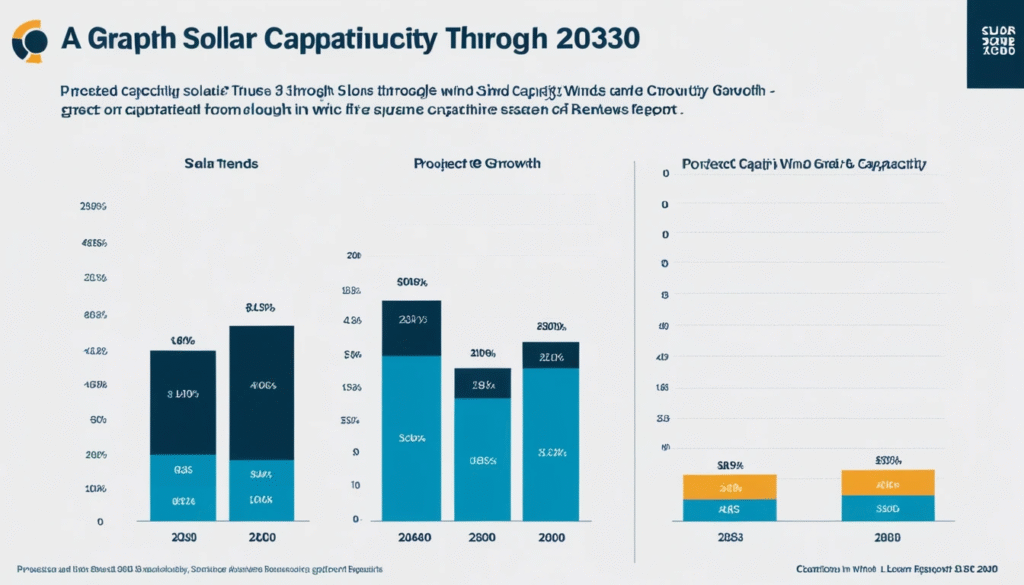
Looking ahead, the future is unmistakably green. Forecasts from multiple sources—analyzed in the archives—project that by 2030, global solar capacity will exceed 4,500 GW and wind capacity will surpass 3,000 GW. These figures are not speculative—they are supported by robust pipelines of approved projects and manufacturing capacity growth.
Emerging economies are expected to lead the charge. Countries like Vietnam, Kenya, and Chile are now investing heavily in solar and wind, often supported by multilateral financing. Decentralized models—like mini-grids and rooftop systems—will dominate rural electrification strategies.
Emerging green tech areas
Beyond solar and wind, other technologies will shape the Future of Renewable Energy. These include:
-
Green hydrogen: Produced via electrolysis using renewable electricity, green hydrogen can decarbonize heavy industry and transport.
-
Ocean energy: Tidal and wave power are gaining investment attention.
-
Carbon capture and utilization (CCU): Integrating renewables with carbon-removal strategies will play a role in meeting net-zero targets.
Investment projections
Financial institutions are increasingly divesting from fossil fuels and reallocating capital into sustainable energy. The x22report archives highlight projections suggesting global clean energy investment will exceed $4 trillion annually by 2030. ESG (Environmental, Social, and Governance) investing criteria will further incentivize businesses to go green.
Practical Insights for Stakeholders
For governments and policymakers
For governments around the globe, the shift toward renewable energy is no longer optional—it’s an urgent necessity. The x22report archives emphasize how proactive, clear, and consistent policies are the backbone of successful energy transitions. Governments need to focus on creating stable regulatory environments that encourage long-term investments in clean energy. This includes transparent permitting processes, guaranteed grid access for renewables, and streamlined land acquisition.
Subsidy reallocation is another crucial factor. Many countries still provide significant financial support to fossil fuel industries. Redirecting these subsidies toward clean energy research, development, and deployment would accelerate the global energy shift. Governments can also offer tax incentives, low-interest loans, and public-private partnerships to spark infrastructure development.
Educational investment is also essential. Building a skilled workforce for the green economy requires updates in academic curricula, vocational training, and cross-sector collaboration. Policymakers should integrate climate literacy and technical training into national education strategies to ensure the workforce is ready to meet the demands of a renewable-powered future.
For industry and investors
The x22report archives highlight renewable energy as one of the most promising markets for both long-term growth and climate resilience. For companies and investors, the message is clear: those who act early will lead.
Corporations must move toward full decarbonization of operations and supply chains, aligning with net-zero targets. Integrating on-site renewables, participating in renewable power purchase agreements (PPAs), and investing in green manufacturing facilities are becoming standard practice. For energy-intensive industries like cement, steel, and chemicals, green hydrogen and electrification offer viable pathways to sustainability.
Investors should consider long-duration storage technologies, EV infrastructure, and green software platforms—areas where future growth is expected to surge. The archives also include ESG (Environmental, Social, Governance) score evaluations and sustainable indices, which are becoming increasingly influential in institutional investment decisions.
How to Access and Use the x22report archives
Archive contents overview
The x22report archives house thousands of documents, audio analyses, and video briefings that examine macroeconomic trends, political decisions, and energy transitions—particularly in renewable sectors. Users will find categorized sections on global climate policy, solar and wind advancements, bioenergy tech, and storage solutions. Each report is tagged with metadata such as publication date, region, technology focus, and policy relevance.
Many entries include downloadable charts, infographics, and statistical datasets—ideal for researchers and decision-makers seeking granular detail. Archive material often incorporates external data from the IEA, World Bank, IMF, and national governments, making it a comprehensive and credible resource.
Navigating reports and trends
Navigating the x22report archives is intuitive, thanks to a clean search interface and smart categorization. Users can filter reports by year, region, technology, or policy topic. For example, typing “wind energy 2025 trends” will return detailed insights, case studies, and predictive models.
Each entry typically offers a short executive summary followed by detailed breakdowns across sectors—economic, environmental, and policy-based. For professionals conducting market research or drafting strategy papers, this provides a valuable shortcut to trusted insights.
Whether you’re a policymaker drafting national energy plans, a company analyzing investment opportunities, or a student studying clean energy evolution, the x22report archives deliver curated, future-focused knowledge grounded in hard data.
Frequently Asked Questions (6 FAQs)
1. What is the Future of Renewable Energy by 2030?
By 2030, renewable energy is expected to dominate global electricity production, with solar and wind alone providing over 50% in many regions. Clean hydrogen, energy storage, and grid modernization will support this shift.
2. Which renewable technologies are growing the fastest?
Solar power and onshore wind are currently the fastest-growing renewable technologies. Both have seen significant cost reductions and are being deployed globally at scale.
3. What challenges do renewables still face?
Challenges include intermittency, grid integration, storage limitations, and regulatory bottlenecks. However, advances in smart grids, batteries, and supportive policies are addressing these issues.
4. How can developing countries benefit from renewable energy?
Renewables offer energy access, job creation, and lower emissions for developing nations. Mini-grids, solar home systems, and international financing are key enablers.
5. What are the environmental benefits of switching to renewables?
Renewables reduce carbon emissions, improve air quality, conserve water, and minimize ecological damage compared to fossil fuels.
6. How can individuals support the transition to renewable energy?
People can install solar panels, use green energy providers, support pro-climate policies, invest in ESG funds, and raise awareness about clean energy solutions.
Conclusion: Key Takeaways for the Future of Renewable Energy
The transformation to a clean energy future is not just underway—it’s accelerating. The x22report archives offer a detailed, credible, and forward-looking roadmap for understanding and influencing this global shift. From revolutionary innovations in solar and wind technologies to progressive government policies in the US, EU, and Asia, every indicator points toward a decarbonized future.
Economically, renewables are generating jobs, attracting investment, and reshaping industries. Environmentally, they are the key to mitigating climate change and improving public health. While challenges persist—such as storage, grid integration, and regulatory hurdles—solutions are evolving at a rapid pace. By 2030, the world will look very different, powered largely by the technologies and policies taking shape today.
Whether you’re a policymaker, business leader, investor, or engaged citizen, the knowledge held within the x22report archives equips you to participate meaningfully in shaping a sustainable, secure, and prosperous energy future.