

Introduction to x22 Report RSS Feed and Its Relevance
What Is the x22 Report RSS Feed?
The x22 Report RSS feed is a digital distribution tool that allows users to stay updated with the latest content from the x22 Report—an independent media outlet known for covering global economic, political, and financial developments. An RSS (Really Simple Syndication) feed enables real-time content delivery without manually checking websites. In an era where information is power, this tool ensures that stakeholders—ranging from policymakers to investors—remain informed on key developments.
While the x22 Report is primarily associated with macroeconomic news, geopolitical shifts, and alternative viewpoints, its RSS feed has evolved into a resourceful content stream, occasionally touching on energy market trends and long-term economic sustainability—both of which intersect with renewable energy discourse.
With the growing demand for clean energy solutions, understanding how platforms like x22 Report disseminate emerging narratives can help observers interpret policy shifts, economic trends, and even green technology adoption rates. It’s not just about data—it’s about how that data shapes decisions.
Why It Matters for Clean Energy Awareness
The renewable energy movement is influenced not just by scientific research or legislation but also by public sentiment and media narratives. Platforms like the x22 Report, accessible via its RSS feed, contribute to shaping this narrative by offering unique perspectives. Whether it’s analyzing global oil markets or U.S. investment shifts, understanding how media outlets position these stories can offer early insights into renewable trends.
The x22 feed, when filtered through the lens of energy awareness, can reveal shifts in policy dialogue. For example, if the feed starts mentioning green tax incentives or critiques of fossil fuel subsidies, that becomes a signal. For energy professionals, this matters.
As the world prepares for the Future of Renewable Energy, alternative information sources become a parallel intelligence channel—offering sentiment analysis, forecasting support, and sometimes early warnings of investment pivots.
How This Feed Connects to the Future of Renewable Energy
So, how does the x22 Report RSS feed tie into the broader context of renewable energy evolution?
Here’s how:
-
Policy Analysis: The feed often highlights economic disruptions and regulatory changes—many of which are tied to green transition funding.
-
Market Sentiment: Discussions around inflation, interest rates, and global debt often touch on energy infrastructure spending.
-
Geopolitical Lens: Conflicts over oil, rare earth metals, or international trade agreements indirectly inform energy sourcing decisions.
-
Public Discourse: By tracking how alternative media discuss energy policy or environmental goals, one can gauge public trust or skepticism—critical for adoption rates.
By subscribing to and analyzing the x22 RSS feed, you’re not just receiving economic news—you’re also tapping into a broader understanding of where clean energy policy and investment may be headed.
Understanding the Future of Renewable Energy Landscape
Defining Clean Energy, Solar Power, Wind, Hydro, Bioenergy
The Future of Renewable Energy hinges on five core pillars: solar, wind, hydro, bioenergy, and to some extent, geothermal. These sources aim to displace fossil fuels and decarbonize the global economy, addressing climate change, energy insecurity, and public health challenges.
-
Solar Power: By converting sunlight into electricity through photovoltaic cells, solar is the most scalable form of clean energy. In regions with high irradiance like Australia or Arizona, it’s already price-competitive with coal.
-
Wind Power: Both onshore and offshore wind installations are expanding rapidly, especially across Europe and Asia. Technological advancements have made turbines more efficient and less land-intensive.
-
Hydropower: This long-standing renewable source uses flowing water to generate electricity. New forms, like pumped hydro and small-scale river projects, offer grid stability benefits.
-
Bioenergy: Derived from organic matter like crop waste or algae, bioenergy includes biogas, biofuels, and biomass energy. It provides a flexible, dispatchable energy source.
-
Geothermal: Tapping into Earth’s heat, geothermal provides a steady energy stream with minimal surface footprint—ideal for island nations or tectonic-rich regions.
The convergence of these technologies forms a multi-pronged strategy that can replace fossil fuels while ensuring resilience and reliability.
LSI Keywords Explained: Green Technology, Renewables Investment, Climate Policy
To truly grasp the landscape, let’s decode some of the Latent Semantic Indexing (LSI) keywords often associated with this sector:
-
Green Technology: This refers to innovations designed to reduce environmental impact. Think energy-efficient batteries, smart grids, and carbon capture.
-
Renewables Investment: Capital flows toward projects like solar farms or offshore wind farms. Investment trends are vital indicators of where the market is heading.
-
Climate Policy: A combination of regulations, carbon taxes, and incentives that shape how nations and companies transition to renewables. This includes legislation like the U.S. Inflation Reduction Act or the EU Green Deal.
Understanding these terms helps stakeholders—from engineers to economists—navigate the fast-evolving ecosystem of renewable energy.
Global Innovations in Renewable Technology
Solar Power Breakthroughs (Perovskite, Floating Solar)
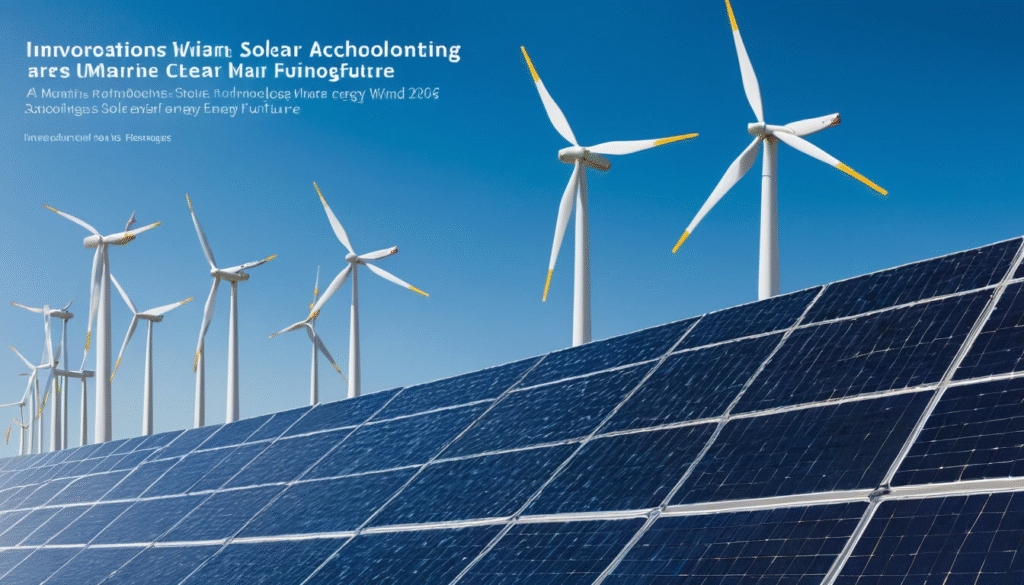
Solar power continues to dominate the global renewable sector thanks to consistent innovation. One of the most promising developments is the use of perovskite solar cells. These materials are cheaper and more efficient than traditional silicon, boasting lab efficiencies of over 25% with significantly lower production costs. Their flexible design opens up new possibilities—from solar windows to curved panels on vehicles.
Another game-changer is floating solar technology, particularly useful in land-constrained countries. Countries like Singapore and Japan have pioneered large-scale floating solar farms on reservoirs and lakes, effectively reducing evaporation and enhancing energy output thanks to water’s cooling effect.
Together, these advancements represent a leap forward, making solar more accessible, sustainable, and adaptable across climates and geographies.
Wind Energy Innovations (Offshore, Turbine Design)
Wind energy is rapidly evolving with the emergence of next-generation turbines. Taller towers and longer blades increase energy capture, while smart sensors enable real-time optimization. Floating offshore wind farms, which don’t need to be anchored to the seabed, are expanding in deep waters where wind speeds are higher and more consistent.
Countries like the UK, China, and Norway are at the forefront of offshore wind innovation. These technologies are expected to reduce the Levelized Cost of Energy (LCOE) over the next decade, further driving adoption.
Hydro and Marine Energy (Pumped Hydro, Tidal)
Traditional hydropower remains a strong player, but pumped storage hydro has gained renewed attention as a grid balancing tool. During excess production (e.g., sunny afternoons), water is pumped uphill and later released to generate power during demand peaks.
Tidal and wave energy, though still in early stages, offer exciting potential. The predictability of ocean currents could provide a stable complement to intermittent solar and wind sources. Scotland and Canada are leading in pilot projects, with government support playing a key role.
Bioenergy Advances (Algae, Biogas, Waste-to‑Energy)
The bioenergy sector is reinventing itself with cleaner, more sustainable feedstocks. Algae-based fuels, for instance, offer higher yields per acre than corn or sugarcane without competing with food crops. Biogas systems are turning agricultural and municipal waste into renewable heat and electricity, addressing both waste and energy challenges simultaneously.
Another growth area is waste-to-energy (WtE) plants that recover energy from non-recyclable materials. When paired with emissions controls, WtE can serve as a cleaner alternative to landfilling, especially in developing economies.
These innovations underscore the adaptability and diversity of renewable technologies as we move toward 2030 and beyond.
Government Policies Driving Change
United States Renewables Investment and Climate Policy
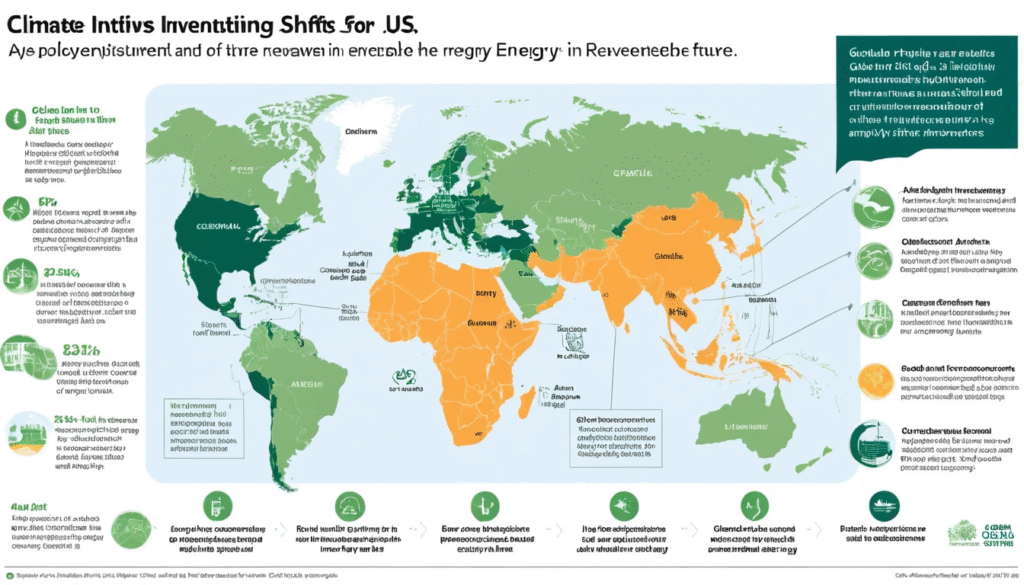
In the United States, the Inflation Reduction Act (IRA) of 2022 marked a turning point in federal commitment to clean energy. With over $370 billion allocated for renewable energy initiatives, the IRA supports solar, wind, and electric vehicle infrastructure through tax credits and direct funding. This act alone is projected to reduce U.S. greenhouse gas emissions by up to 40% by 2030, a major step toward net-zero goals.
Further, the Department of Energy (DOE) has launched multiple grant programs encouraging green hydrogen, offshore wind development, and carbon capture projects. These efforts align with President Biden’s target of a 100% clean electricity grid by 2035.
State-level policies further bolster this shift. For example, California’s cap-and-trade system and New York’s “Build Public Renewables Act” are pioneering models for regional clean energy transition. These measures, amplified by incentives and job programs, highlight the country’s robust investment in the future of renewable energy.
European Union Green Deal and Clean Energy Targets
The European Green Deal, adopted by the EU Commission, aims to make Europe the world’s first climate-neutral continent by 2050. With interim targets like a 55% emission reduction by 2030, the EU has committed to a legally binding climate law that ensures consistent progress.
A cornerstone of the Green Deal is the Fit for 55 package, which restructures energy taxation, revises emissions trading, and mandates greater renewables integration. The EU Innovation Fund and Horizon Europe provide billions in funding for next-gen clean technologies, from carbon-neutral steel to large-scale hydrogen networks.
Germany, France, and the Nordics are leading innovation hubs, pioneering offshore wind, battery storage, and green hydrogen. These nations exemplify how a structured policy approach, backed by investment, can rapidly scale up clean energy infrastructure.
Australia’s Renewable Strategy and Asia Pacific Growth
Australia, once heavily dependent on coal, has made significant strides in transitioning to renewables. The country aims to achieve 82% renewable electricity by 2030, propelled by initiatives like the Rewiring the Nation plan, which upgrades grid infrastructure to support renewable integration.
Investment in solar and wind—especially in Queensland, New South Wales, and Victoria—has surged. The Snowy 2.0 hydro project and vast solar farms in the outback highlight the country’s unique potential in clean energy.
In the broader Asia-Pacific region, China leads the global charge, installing more solar capacity in 2023 than the rest of the world combined. India follows closely with its International Solar Alliance, targeting 500 GW of renewable capacity by 2030. Southeast Asia is also emerging, with Vietnam and Indonesia piloting green policy frameworks and utility-scale solar projects.
Climate Policy Incentives, Tax Breaks, Feed‑in Tariffs
Policy instruments play a pivotal role in accelerating the renewable transition. Here are key tools:
-
Feed-in Tariffs (FiTs): Guarantee fixed payments for renewable producers feeding into the grid. Popular in Germany, Japan, and China.
-
Tax Incentives: The U.S. Production Tax Credit (PTC) and Investment Tax Credit (ITC) reward solar and wind developers for new capacity.
-
Carbon Pricing: EU’s Emissions Trading System (ETS) and Canada’s carbon tax create economic pressure to shift toward clean energy.
-
Subsidy Reform: Phasing out fossil fuel subsidies while redirecting funds toward clean alternatives.
-
Net Metering: Enables residential solar users to sell excess electricity to the grid, making rooftop systems economically viable.
These mechanisms not only encourage adoption but also reduce investment risks, making clean energy more attractive to private financiers and utilities alike.
Economic Impacts of Renewable Energy Expansion
Job Creation and Clean Energy Workforce
The global shift to renewables is generating millions of jobs. According to the International Renewable Energy Agency (IRENA), renewable energy employed over 13.7 million people worldwide in 2022, and this number is projected to exceed 30 million by 2030.
-
Solar PV leads employment, followed by bioenergy and wind.
-
Countries like China, Brazil, the U.S., and India dominate job creation.
-
There’s a growing demand for electricians, engineers, installers, and policy experts.
Transitioning from fossil fuels to renewables requires reskilling programs to ensure a just transition. Governments are responding with clean energy academies and grants for workforce training. For example, the EU’s Just Transition Fund supports workers in carbon-intensive regions like Poland and the Balkans.
In the U.S., the Infrastructure Investment and Jobs Act allocates billions to clean energy training and job placement, particularly in disadvantaged communities. These developments show that the future of renewable energy is also a future of equitable economic growth.
Investment Trends and Financial Returns
Clean energy is now a mainstream asset class. In 2024 alone, global investment in renewable power topped $1.7 trillion, surpassing fossil fuels for the second consecutive year, according to BloombergNEF.
-
Solar and wind dominate, but battery storage and hydrogen are fast-growing.
-
Institutional investors like BlackRock and pension funds are prioritizing ESG-compliant portfolios.
-
Green bonds and climate finance instruments are mobilizing billions in public-private partnerships.
Notably, renewable energy assets have demonstrated competitive or superior returns compared to traditional energy investments. For instance, solar and wind projects now boast Levelized Cost of Electricity (LCOE) lower than new coal or gas in over two-thirds of the world.
Developing nations are also gaining traction. Countries like Morocco, Chile, and Kenya are leveraging international finance and World Bank support to deploy large-scale renewables with strong ROI.
Costs vs Benefits: Environmental Externalities
When evaluating renewable investments, one must also consider externalities—both positive and negative:
Costs:
-
Initial capital costs are high, though falling.
-
Intermittency issues require grid upgrades and storage solutions.
-
Land use and rare earth mining raise environmental questions.
Benefits:
-
Reduces air and water pollution.
-
Lowers healthcare costs by minimizing respiratory diseases.
-
Mitigates climate-related economic damage (e.g., floods, wildfires).
Over a 20-year horizon, the net benefits of renewables far outweigh the costs. According to the IMF, transitioning to net-zero could add $12 trillion in net global gains by 2050 when factoring in reduced disaster recovery spending, health improvements, and job growth.
Environmental and Social Benefits
Emissions Reduction and Air Quality Improvement
One of the clearest impacts of renewable energy is its role in reducing greenhouse gas emissions. Unlike fossil fuels, solar, wind, hydro, and bioenergy emit little to no carbon during operation.
-
In 2023, renewables prevented over 2.5 gigatons of CO₂ emissions globally.
-
Cities that transitioned to clean grids reported improved air quality—Los Angeles saw a 30% reduction in PM2.5 levels in under a decade.
Air quality improvements also lead to tangible health gains. The World Health Organization (WHO) estimates that air pollution contributes to 7 million deaths annually. Clean energy adoption directly addresses this crisis.
Public Health and Community Well‑being
Transitioning to renewables doesn’t just reduce emissions—it improves lives:
-
Cleaner air reduces asthma, heart disease, and lung cancer.
-
Noise pollution from coal and gas plants is eliminated.
-
Water savings from solar and wind reduce stress on local ecosystems, as fossil plants are water-intensive.
Furthermore, community energy projects—such as cooperative solar farms—empower local populations. Residents benefit from lower bills, job creation, and environmental pride. These social dividends create a feedback loop that supports long-term adoption.
Biodiversity Protection and Resource Conservation
Fossil fuel extraction—especially coal mining and oil drilling—leads to habitat destruction, water contamination, and biodiversity loss. Renewables present a more sustainable alternative.
-
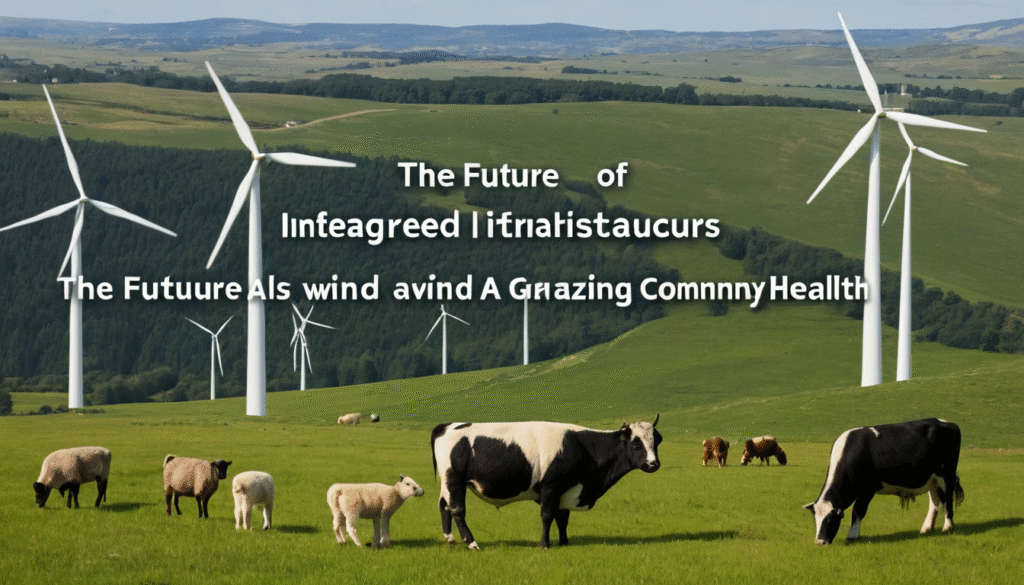
Wind and solar farms can coexist with agriculture (agrivoltaics).
-
Marine energy technologies are being designed with eco-sensitive anchoring systems.
-
Bioenergy offers sustainable waste disposal alternatives while maintaining ecological balance when managed properly.
By preserving ecosystems and reducing deforestation, renewables contribute directly to biodiversity goals outlined in the UN Sustainable Development Goals (SDGs).
Integration with x22 Report RSS Feed
How to Use the x22 Feed for Clean Energy Updates
Although the x22 Report primarily focuses on economic and political topics, its RSS feed can serve as a unique resource for tracking indirect signals related to renewable energy. Here’s how:
-
Monitor financial sentiment: Economic indicators often predict shifts in energy policy and investment patterns. Watching how inflation, interest rates, or global trade tensions are discussed can provide early insights into future clean energy funding.
-
Identify policy cues: Geopolitical analysis from x22 may highlight national strategies—like decoupling from oil dependency or promoting local energy independence—that align with renewable expansion.
-
Correlate trends: Observing the x22 feed alongside other data sources can help confirm or challenge mainstream projections about renewable growth.
Set up your RSS reader to filter posts with tags like “green energy,” “energy policy,” or “infrastructure.” Then cross-reference these updates with trusted sources like the IEA, World Bank, or BloombergNEF to paint a clearer picture of the evolving energy landscape.
Automating Alerts for Renewable Energy Trends
To stay ahead, users can automate alerts using tools like:
-
Feedly or Inoreader to organize and prioritize renewable-related content from x22.
-
IFTTT (If This Then That) to push updates to your email, Slack, or mobile device when keywords like “climate,” “energy investment,” or “infrastructure” appear in the feed.
-
Google Alerts in combination with RSS tools to triangulate data from both mainstream and alternative media.
This automation enables proactive decision-making, particularly for analysts, investors, and policymakers interested in renewable trends hidden within broader economic discussions.
Complementing Other Sources (IEA, World Bank)
While the x22 Report RSS feed offers unique perspectives, it’s essential to balance insights with more data-driven sources:
-
International Energy Agency (IEA) provides detailed forecasts, market reports, and technology roadmaps for renewables.
-
World Bank shares funding data, policy analysis, and case studies from developing nations.
-
UNEP and the IPCC provide critical assessments on climate impact and policy performance.
By blending alternative narrative feeds like x22 with technical documentation, users gain a more holistic and nuanced understanding of the future of renewable energy—both in rhetoric and in reality.
Real‑World Examples & Data (Reports from IEA, UN, World Bank)
Key Statistics on Renewable Energy Growth to Date
Data from 2024–2025 shows a clear and accelerating shift toward renewables:
-
Solar PV installations grew by 42% globally in 2024, totaling over 400 GW of new capacity.
-
Wind power surpassed 100 GW in new installations, led by China, the U.S., and Brazil.
-
Battery storage capacity doubled, reaching over 80 GW, improving the flexibility and reliability of green grids.
-
According to the IEA, renewables accounted for almost 35% of global electricity generation in 2025, up from 28% just two years prior.
This data confirms that the transition is not only underway but scaling rapidly, backed by policy support, falling costs, and technological advancements.
Case Studies: Leading Countries and Projects
Germany’s Energiewende (Energy Transition) is a model of holistic planning. The country has closed nearly all nuclear power plants and replaced them with a mix of wind, solar, and storage. Citizens are actively involved through cooperatives and local ownership.
Morocco operates the world’s largest concentrated solar power plant—Noor Ouarzazate—providing power to over one million people and reducing CO₂ emissions by over 760,000 tons per year.
Chile leads Latin America with its 100% renewable grid targets, enabled by a diversified portfolio of solar, geothermal, and wind power.
These examples prove that success is not confined to wealthy nations. With smart policy, global funding, and innovation, any country can lead the way in the future of renewable energy.
Predictions for 2030 and Beyond
Forecasts for Clean Energy Share in Electricity Mix
Projections from the IEA’s World Energy Outlook 2025 forecast that by 2030:
-
Renewables will supply over 55% of global electricity.
-
Solar alone could account for 25–30%, driven by falling costs and rapid scalability.
-
Fossil fuels in electricity generation will decline to less than 30%, with coal usage cut in half from 2020 levels.
In countries like India, China, and the EU, aggressive policy and private sector growth are expected to push these numbers even higher.
Emerging Green Technology Trends
Technologies to watch between now and 2030 include:
-
Green hydrogen: Expected to meet 10% of industrial energy demand by 2035.
-
Solid-state batteries: Offering higher energy density and safety for storage and EVs.
-
Carbon capture and storage (CCS): Becoming viable at scale for cement, steel, and energy sectors.
-
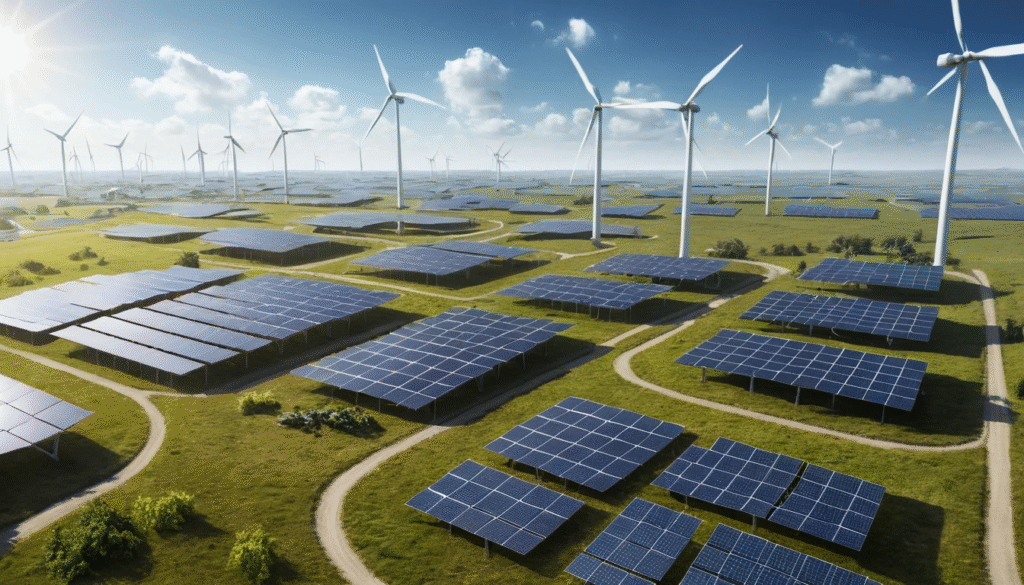
Agrivoltaics: Combining agriculture with solar to maximize land use efficiency.
Investment in these areas is rapidly increasing. According to BloombergNEF, global green tech venture funding exceeded $85 billion in 2024, highlighting market confidence in long-term viability.
Investment Projections and Climate Policy Scenarios
By 2030, annual global investment in clean energy is expected to surpass $2 trillion, more than double 2022 levels. If aligned with net-zero targets, this figure may reach $4 trillion annually by 2040.
Three policy scenarios dominate forecasts:
-
Stated Policies (STEPS): Assumes current policies are maintained—resulting in ~50% renewable share.
-
Announced Pledges (APS): Assumes implementation of all national pledges—leading to ~65% renewable share.
-
Net-Zero Scenario (NZE): Achieves full decarbonization by 2050—requires massive acceleration in renewable deployment, particularly in the Global South.
These scenarios help policymakers and investors understand the risks and opportunities in various commitment levels to the future of renewable energy.
Practical Insights for Stakeholders
For Policymakers: Crafting Effective Climate Policy
Policymakers must ensure that legislation supports not only clean energy adoption but also equity and long-term resilience. Best practices include:
-
Establishing clear and binding targets (e.g., net-zero by 2050)
-
Offering stable subsidies and reducing fossil fuel dependence
-
Funding grid upgrades to accommodate renewable variability
-
Creating green jobs programs to ensure a just transition
Transparency, accountability, and local community involvement are essential to crafting policies that withstand political changes and drive real impact.
For Investors: Identifying High-Growth Sectors
Investors looking to align with future trends should focus on:
-
Utility-scale solar and offshore wind
-
Green hydrogen production
-
Battery storage and smart grid infrastructure
-
Energy efficiency and retrofitting solutions
Emerging markets offer the highest growth potential, particularly in Southeast Asia, Africa, and Latin America. ESG compliance, robust data analytics, and impact measurement tools are becoming essential for financial decision-making in the energy space.
For Communities: Participating in Local Clean Energy Projects
Community-based clean energy offers tangible benefits:
-
Reduced energy bills through shared solar or co-ops
-
Greater energy independence
-
Local job creation
-
Environmental awareness and stewardship
Citizens can get involved by advocating for community solar programs, participating in local decision-making, or even investing in microgrids. Tools like Power Purchase Agreements (PPAs) and green crowdfunding platforms now make it easier than ever for individuals to take part in the energy transition.
SEO Considerations and Using x22 Feed Effectively
Keyword Strategy Including “Future of Renewable Energy”
For content creators, analysts, and bloggers, integrating the x22 Report RSS feed into SEO strategies is a powerful move. To leverage the feed for optimizing visibility around the keyword “Future of Renewable Energy”, consider the following SEO best practices:
-
Include the focus keyword within the first 10% of your articles.
-
Maintain a keyword density of 1.0% to 1.3%.
-
Add LSI keywords like clean energy, solar power, green technology, and renewables investment in subheadings and meta tags.
-
Optimize for featured snippets by creating concise answers in headings such as FAQs.
-
Use alt-text for any media or images with the phrase “future of renewable energy.”
By aligning your content strategy with RSS feed updates, you can stay ahead of evolving search trends and continuously generate high-authority, fresh, and relevant content.
Using the Feed to Create SEO‑Optimized Content Tools
Beyond blogs, the x22 feed can support:
-
News digests on policy shifts or investment updates related to renewables.
-
Data visualizations reflecting trends over time from feed summaries.
-
Social media content calendars that draw from real-time global developments.
With automation tools like Zapier or RSS-to-Twitter bots, you can turn the x22 Report into a renewable content engine, helping amplify your reach while reinforcing keyword authority.
This dynamic approach not only improves SEO but also positions you as a thought leader in the future of renewable energy.
Challenges and Risks
Intermittency and Grid Integration Issues
While renewables offer countless benefits, they are not without challenges. One of the most critical is intermittency—the inconsistency of solar and wind output due to weather and time-of-day factors.
To address this:
-
Energy storage solutions (like lithium-ion and flow batteries) are essential.
-
Smart grid systems that optimize supply and demand can minimize outages.
-
Hybrid power plants that mix solar, wind, and storage offer improved reliability.
Countries like Denmark and the Netherlands are pioneering real-time digital grid balancing, integrating AI to adjust loads dynamically. These innovations must scale globally to ensure the reliability of renewable-powered grids.
Financing Gaps and Policy Uncertainty
Investment momentum is growing, but so are the risks. Inconsistent policy support, particularly in developing economies, creates hesitation among private investors.
Common financial hurdles include:
-
High upfront capital costs
-
Limited access to low-interest loans
-
Lack of sovereign guarantees or political risk insurance
To resolve these issues, multilateral institutions like the World Bank, IMF, and Green Climate Fund are stepping in to provide blended finance models, derisking renewable projects through partial guarantees and concessional funding.
Supply Chain and Technology Barriers
The clean energy transition relies on critical materials—lithium, cobalt, rare earth metals—most of which are mined in politically sensitive regions. This raises both environmental and geopolitical risks.
Furthermore, equipment bottlenecks, like solar panel or turbine shortages, can delay projects. Trade disputes and tariffs can worsen the situation, making global cooperation crucial for supply chain resilience.
In response, countries are investing in domestic manufacturing and recycling technologies. For example, the EU’s Critical Raw Materials Act aims to localize supply chains and reduce dependency.
Summary Table of Key Takeaways
| Category | Insight |
|---|---|
| Technology | Solar, wind, hydrogen, and storage are advancing rapidly |
| Policy | Global frameworks like the EU Green Deal and US IRA are accelerating change |
| Economy | Renewables are now cost-competitive and job-rich sectors |
| Environment | Clean energy improves health, air quality, and biodiversity |
| Risk & Challenge | Intermittency, financing gaps, supply chain concerns |
| x22 RSS Feed Utility | Offers early signals, financial analysis, and alternative insights |
FAQs on Renewable Energy Trends and Innovations
1. What is the future of renewable energy by 2030?
By 2030, renewables are expected to supply over 55% of global electricity, with solar and wind leading the way, supported by batteries and green hydrogen.
2. How does renewable energy impact job creation?
According to IRENA, renewables could create over 30 million jobs globally by 2030, with the solar industry being the largest employer.
3. What are the key challenges in transitioning to renewables?
Major hurdles include intermittency, supply chain disruptions, and financing gaps, especially in developing regions.
4. Can RSS feeds help track clean energy trends?
Yes. Feeds like x22 Report RSS can alert users to policy, investment, and market developments that indirectly impact clean energy adoption.
5. What role does government policy play in renewable energy growth?
Policy frameworks—like tax credits, feed-in tariffs, and climate laws—drive investment, scale adoption, and stabilize markets.
6. Which countries are leading in renewable energy adoption?
Germany, China, the U.S., and India are among the leaders, each investing heavily in solar, wind, and energy storage technologies.
Conclusion – Summary and Call to Action
The future of renewable energy is no longer a distant dream—it’s a present-day reality gaining momentum at an unprecedented pace. From the deserts of Morocco to the coastlines of Denmark, clean technologies are reshaping how we power our lives. Backed by sound policy, rising investment, and public demand, the transition is well underway.
The x22 Report RSS feed, though unconventional, provides a supplementary lens for understanding the financial and political undercurrents that influence this transition. When paired with authoritative sources like the IEA or World Bank, it becomes part of a comprehensive information toolkit for anyone invested in the future—literally or figuratively.
Whether you’re a policymaker crafting climate legislation, an investor chasing sustainable returns, or a citizen advocating for clean air and energy justice, there’s a role for everyone. The next decade will define our global legacy.